 Solar PV Analysis of Ulbroka, Latvia

Ulbroka, Ropaži Municipality, Latvia, situated at latitude 56.9364°N and longitude 24.2932°E in the Northern Temperate Zone, presents varying conditions for solar PV energy generation throughout the year. The location experiences significant seasonal fluctuations in solar energy production that potential solar investors should consider.
Seasonal Solar Production
Solar panels in Ulbroka demonstrate substantial seasonal variation in energy output. During summer, panels produce an impressive 5.84kWh per day for each kilowatt installed, making this the prime season for solar energy generation. Spring follows as the second most productive season with 3.85kWh/day per installed kilowatt.
However, production drops considerably during autumn to just 1.84kWh/day, and plummets to a minimal 0.76kWh/day during winter months. This winter output is less than 13% of the summer production, highlighting the extreme seasonal differences at this northern latitude.
Optimal Panel Installation
For fixed solar panel installations in Ulbroka, Ropaži Municipality, the ideal tilt angle is 47 degrees facing South. This specific angle maximizes year-round energy production by optimizing exposure to the sun's rays across all seasons, accounting for the location's northern latitude and the Earth's elliptical orbit.
Environmental and Weather Challenges
Several significant factors can impede solar production in Ulbroka:
- Snow accumulation during Latvia's winter months can cover panels and drastically reduce output during an already low-production season
- Frequent cloud cover, particularly from October through February, further diminishes the already limited winter solar radiation
- Short winter days at this northern latitude (less than 7 hours of daylight in December) severely restrict generation potential
- Occasional summer hailstorms may pose a risk to panel integrity
Preventative Measures
To maximize production despite these challenges, consider these preventative measures:
- Install panels at a steeper angle than the standard 47° during winter months to promote snow sliding off naturally
- Implement regular snow removal procedures during winter
- Use high-efficiency panels specifically designed for low-light conditions to improve performance during cloudy periods
- Consider bifacial panels that can capture reflected light from snow cover, turning winter's challenge into a partial advantage
- Install hail-resistant panels with tempered glass to withstand potential summer storms
Overall, while Ulbroka offers excellent solar potential during summer and reasonable production in spring, the dramatic seasonal variation makes it a challenging location for year-round solar dependence without supplementary energy sources or storage solutions.
Note: The Northern Temperate Zone extends from 35° latitude North up to 66.5° latitude.
So far, we have conducted calculations to evaluate the solar photovoltaic (PV) potential in 13 locations across Latvia. This analysis provides insights into each city/location's potential for harnessing solar energy through PV installations.
Link: Solar PV potential in Latvia by location
Solar output per kW of installed solar PV by season in Ulbroka
Seasonal solar PV output for Latitude: 56.9364, Longitude: 24.2932 (Ulbroka, Latvia), based on our analysis of 8760 hourly intervals of solar and meteorological data (one whole year) retrieved for that set of coordinates/location from NASA POWER (The Prediction of Worldwide Energy Resources) API:




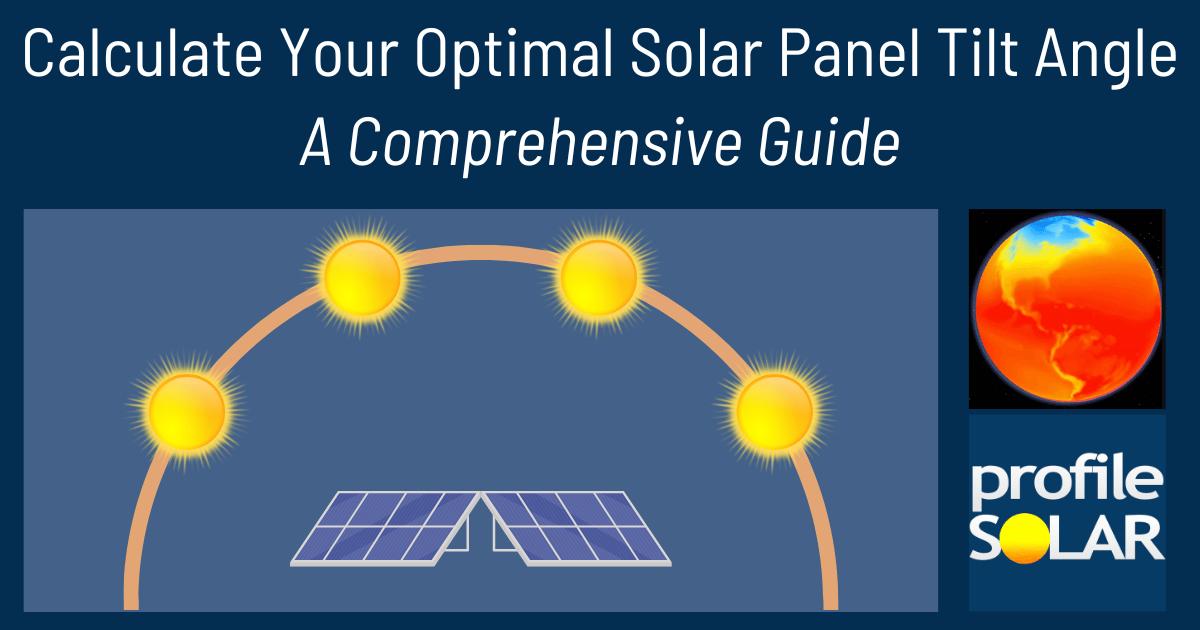
Ideally tilt fixed solar panels 47° South in Ulbroka, Latvia
To maximize your solar PV system's energy output in Ulbroka, Latvia (Lat/Long 56.9364, 24.2932) throughout the year, you should tilt your panels at an angle of 47° South for fixed panel installations.
As the Earth revolves around the Sun each year, the maximum angle of elevation of the Sun varies by +/- 23.45 degrees from its equinox elevation angle for a particular latitude. Finding the exact optimal angle to maximise solar PV production throughout the year can be challenging, but with careful consideration of historical solar energy and meteorological data for a certain location, it can be done precisely.
We use our own calculation, which incorporates NASA solar and meteorological data for the exact Lat/Long coordinates, to determine the ideal tilt angle of a solar panel that will yield maximum annual solar output. We calculate the optimal angle for each day of the year, taking into account its contribution to the yearly total PV potential at that specific location.

Seasonally adjusted solar panel tilt angles for Ulbroka, Latvia
If you can adjust the tilt angle of your solar PV panels, please refer to the seasonal tilt angles below for optimal solar energy production in Ulbroka, Latvia. As mentioned earlier, for fixed-panel solar PV installations, it is optimal to maintain a 47° South tilt angle throughout the year.
| Overall Best Summer Angle | Overall Best Autumn Angle | Overall Best Winter Angle | Overall Best Spring Angle |
|---|---|---|---|
| 40° South in Summer | 59° South in Autumn | 69° South in Winter | 49° South in Spring |
Our recommendations take into account more than just latitude and Earth's position in its elliptical orbit around the Sun. We also incorporate historical solar and meteorological data from NASA's Prediction of Worldwide Energy Resources (POWER) API to assign a weight to each ideal angle for each day based on its historical contribution to overall solar PV potential during a specific season.
This approach allows us to provide much more accurate recommendations than relying solely on latitude, as it considers unique weather conditions in different locations sharing the same latitude worldwide.
Calculate solar panel row spacing in Ulbroka, Latvia
We've added a feature to calculate minimum solar panel row spacing by location. Enter your panel size and orientation below to get the minimum spacing in Ulbroka, Latvia.
Our calculation method
- Solar Position:
We determine the Sun's position on the Winter solstice using the location's latitude and solar declination. - Shadow Projection:
We calculate the shadow length cast by panels using trigonometry, considering panel tilt and the Sun's elevation angle. - Minimum Spacing:
We add the shadow length to the horizontal space occupied by tilted panels.
This approach ensures maximum space efficiency while avoiding shading during critical times, as the Winter solstice represents the worst-case scenario for shadow length.
Topography for solar PV around Ulbroka, Latvia
Ulbroka is a small settlement located in the Stopiņi Municipality of Latvia, about 15 kilometers east of the capital city Riga. The topography around Ulbroka is characterized by a generally flat to gently undulating landscape, which is typical of the central Latvian lowland region. The elevation in this area typically ranges between 10-30 meters above sea level, with very modest relief features. The landscape surrounding Ulbroka consists primarily of a mix of agricultural fields, scattered forest patches, and small wetland areas. The Mazā Jugla River flows not far from Ulbroka, contributing to the local drainage pattern. The terrain is part of the broader Baltic coastal plain, which was shaped by glacial processes during the last ice age, resulting in the deposition of glacial till and the formation of occasional small hills and depressions.
Soil and Land Cover
The soils around Ulbroka are predominantly podzolic, with areas of sandy and loamy textures. There are also patches of peaty soils in lower-lying areas where drainage is poor. The natural vegetation would have been mixed coniferous-deciduous forest, though much of the land has been cleared for agriculture and human settlement. Forest patches that remain consist mainly of pine, spruce, birch, and alder.Solar PV Potential
For large-scale solar photovoltaic (PV) installations near Ulbroka, several factors need consideration. The relatively flat terrain is generally favorable for solar development, as it minimizes site preparation costs and engineering challenges. However, Latvia's northern latitude means solar radiation levels are moderate compared to southern European countries. The most suitable areas for large-scale solar PV development around Ulbroka would be: Agricultural lands that are less productive or fallow would provide the necessary open space without requiring forest clearing. The areas south of Ulbroka toward Saurieši and east toward Līči offer relatively open agricultural landscapes that could accommodate solar arrays. Former industrial sites or brownfields, which exist in parts of the Stopiņi Municipality, could be repurposed for solar development, providing environmental remediation alongside renewable energy production. Areas with good proximity to existing electrical infrastructure are preferable, reducing interconnection costs. The vicinity of Ulbroka benefits from being relatively close to Riga's power infrastructure network.Topographical Considerations
While the region is generally flat, subtle topographical features do exist. Slight south-facing slopes, where present, would offer optimal conditions for solar panel placement, maximizing exposure to the sun's path. Areas with good drainage are also preferable to avoid flooding risks that could damage solar equipment. The modest elevation differences in the landscape don't present significant barriers to solar development, though local depressions that may collect water should be avoided. The overall gentle topography means that large continuous arrays could be installed without major terrain modifications.Climate and Environmental Factors
Latvia's climate, including the Ulbroka area, features moderate solar radiation with pronounced seasonal variations. The region experiences pronounced seasonal variations, with summer days being quite long due to the northern latitude, partially compensating for the lower winter solar resource. Environmental considerations would include avoiding the wetland areas associated with the Mazā Jugla River system and preserving the remaining forest patches that contribute to local biodiversity. The most suitable approach would be to utilize already disturbed or agricultural lands rather than converting natural habitats.Citation Guide
Article Details for Citation
Author: Aaron Robinson
Publisher: profileSOLAR.com
First Published: Saturday 19th of April 2025
Last Updated: Thursday 28th of August 2025
Tell Us About Your Work
We love seeing how our research helps others! If you've cited this article in your work, we'd be delighted to hear about it. Drop us a line via our Contact Us page or on X, to share where you've used our information - we may feature a link to your work on our site. This helps create a network of valuable resources for others in the solar energy community and helps us understand how our research is contributing to the field. Plus, we occasionally highlight exceptional works that reference our research on our social media channels.
Feeling generous?

Share this with your friends!


Compare this location to others worldwide for solar PV potential
The solar PV analyses available on our website, including this one, are offered as a free service to the global community. Our aim is to provide education and aid informed decision-making regarding solar PV installations.
However, please note that these analyses are general guidance and may not meet specific project requirements. For in-depth, tailored forecasts and analysis crucial for feasibility studies or when pursuing maximum ROI from your solar projects, feel free to contact us; we offer comprehensive consulting services expressly for this purpose.

Helping you assess viability of solar PV for your site
Calculate Your Optimal Solar Panel Tilt Angle: A Comprehensive Guide
Enhance your solar panel's performance with our in-depth guide. Determine the best tilt angle using hard data, debunk common misunderstandings, and gain insight into how your specific location affects solar energy production.