 Solar PV Analysis of Dili, Timor-Leste

Dili, Timor-Leste presents excellent conditions for year-round solar energy generation, consistently delivering strong electricity output throughout all seasons. Located in the tropics where sunlight remains relatively stable year-round, this location shows impressive solar potential with seasonal variations driven more by wet and dry periods than traditional temperature-based seasons.
Seasonal Solar Performance
The solar output data reveals that Dili experiences its peak generation during spring, producing 6.98 kWh per day per kW of installed solar capacity. This represents the optimal time for solar energy production at this location. Autumn and winter also perform exceptionally well, generating 6.01 kWh/day and 5.97 kWh/day respectively, while summer produces 5.54 kWh/day - still a very respectable output. For maximum year-round efficiency, solar panels should be installed at a fixed tilt angle of 9 degrees facing north. This optimal angle has been calculated by analyzing daily solar elevation patterns, weighting them against solar irradiance data, and accounting for Earth's elliptical orbit around the sun.Environmental and Weather Challenges
Several significant factors could impact solar production in Dili and require careful consideration during installation:- Tropical storms and cyclones: The region experiences severe weather events that can damage panels and mounting systems
- Heavy monsoon rains: Intense rainfall during wet seasons can reduce solar output and cause water damage
- High humidity: Persistent moisture can lead to corrosion and electrical issues
- Salt air exposure: Coastal location means salt corrosion is a constant threat to equipment
- Dust and volcanic ash: Regional volcanic activity can coat panels, significantly reducing efficiency
Protective Installation Measures
To maximize energy production despite these challenges, several preventative measures should be implemented. Panels should be mounted using reinforced, corrosion-resistant aluminum or stainless steel racking systems designed to withstand high winds and storm conditions. Regular cleaning schedules become essential, particularly during dry seasons when dust accumulation peaks and following any volcanic activity. Installing panels with adequate spacing allows for proper drainage and air circulation, reducing humidity-related problems. All electrical components should feature marine-grade protection ratings and corrosion-resistant coatings to handle the salt air environment. Inverters and electrical connections require weatherproof enclosures with proper ventilation to prevent moisture buildup while maintaining cooling. Consider installing monitoring systems that can detect performance drops, allowing for quick identification of weather-related issues. Proper grounding and surge protection systems are crucial given the frequency of tropical storms and associated lightning activity.Note: The Tropics are located between 23.5° North and -23.5° South of the equator.
Solar output per kW of installed solar PV by season in Dili
Seasonal solar PV output for Latitude: -8.5591, Longitude: 125.5766 (Dili, Timor-Leste), based on our analysis of 8760 hourly intervals of solar and meteorological data (one whole year) retrieved for that set of coordinates/location from NASA POWER (The Prediction of Worldwide Energy Resources) API:




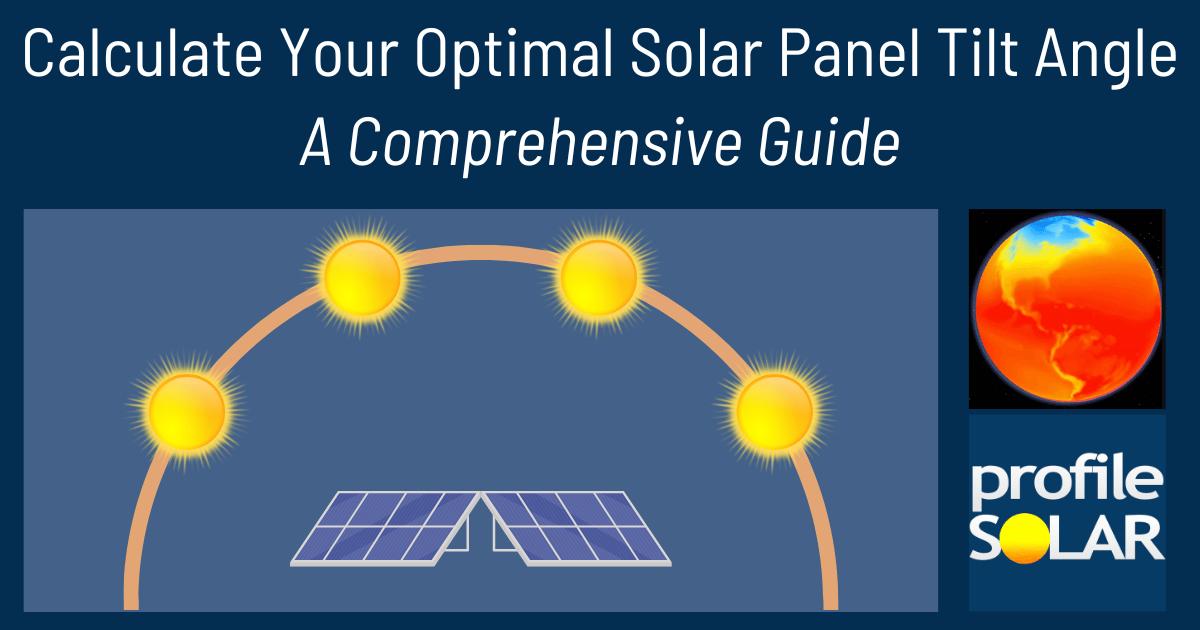
Ideally tilt fixed solar panels 9° North in Dili, Timor-Leste
To maximize your solar PV system's energy output in Dili, Timor-Leste (Lat/Long -8.5591, 125.5766) throughout the year, you should tilt your panels at an angle of 9° North for fixed panel installations.
As the Earth revolves around the Sun each year, the maximum angle of elevation of the Sun varies by +/- 23.45 degrees from its equinox elevation angle for a particular latitude. Finding the exact optimal angle to maximise solar PV production throughout the year can be challenging, but with careful consideration of historical solar energy and meteorological data for a certain location, it can be done precisely.
We use our own calculation, which incorporates NASA solar and meteorological data for the exact Lat/Long coordinates, to determine the ideal tilt angle of a solar panel that will yield maximum annual solar output. We calculate the optimal angle for each day of the year, taking into account its contribution to the yearly total PV potential at that specific location.

Seasonally adjusted solar panel tilt angles for Dili, Timor-Leste
If you can adjust the tilt angle of your solar PV panels, please refer to the seasonal tilt angles below for optimal solar energy production in Dili, Timor-Leste. As mentioned earlier, for fixed-panel solar PV installations, it is optimal to maintain a 9° North tilt angle throughout the year.
| Overall Best Summer Angle | Overall Best Autumn Angle | Overall Best Winter Angle | Overall Best Spring Angle |
|---|---|---|---|
| 8° South in Summer | 15° North in Autumn | 24° North in Winter | 3° North in Spring |
Our recommendations take into account more than just latitude and Earth's position in its elliptical orbit around the Sun. We also incorporate historical solar and meteorological data from NASA's Prediction of Worldwide Energy Resources (POWER) API to assign a weight to each ideal angle for each day based on its historical contribution to overall solar PV potential during a specific season.
This approach allows us to provide much more accurate recommendations than relying solely on latitude, as it considers unique weather conditions in different locations sharing the same latitude worldwide.
Calculate solar panel row spacing in Dili, Timor-Leste
We've added a feature to calculate minimum solar panel row spacing by location. Enter your panel size and orientation below to get the minimum spacing in Dili, Timor-Leste.
Our calculation method
- Solar Position:
We determine the Sun's position on the Winter solstice using the location's latitude and solar declination. - Shadow Projection:
We calculate the shadow length cast by panels using trigonometry, considering panel tilt and the Sun's elevation angle. - Minimum Spacing:
We add the shadow length to the horizontal space occupied by tilted panels.
This approach ensures maximum space efficiency while avoiding shading during critical times, as the Winter solstice represents the worst-case scenario for shadow length.
Topography for solar PV around Dili, Timor-Leste
Topographical Features Around Dili
Dili, the capital of Timor-Leste, sits along the northern coast of the island, nestled between the Timor Sea and a dramatic mountainous backdrop. The city occupies a relatively narrow coastal plain that extends inland for several kilometers before giving way to steep hills and rugged terrain. This coastal strip provides the flattest and most accessible land in the immediate vicinity of the capital.
The topography rises sharply as one moves south from the coast, with elevations climbing rapidly into the central mountain ranges that form the spine of Timor-Leste. These mountains create a striking visual contrast to the low-lying coastal areas and significantly influence the local climate and weather patterns. The terrain becomes increasingly challenging for development as altitude increases, with steep slopes, deep valleys, and rocky outcrops characterizing much of the interior landscape.
To the east and west of Dili, the coastal plain continues but becomes more fragmented, interrupted by hills and ridges that extend toward the sea. Several rivers flow through the region, creating valleys and floodplains that add variety to the otherwise relatively flat coastal zone. These waterways have carved distinctive channels through the landscape over thousands of years.
Optimal Areas for Large-Scale Solar Development
The coastal plain surrounding Dili presents the most promising opportunities for large-scale solar photovoltaic installations. These relatively flat areas offer the easiest terrain for construction and maintenance activities, while providing sufficient space for extensive solar arrays. The gentle slopes found in parts of this coastal zone can actually be beneficial for solar installations, as they allow for optimal panel positioning and natural drainage.
Areas to the immediate east and west of Dili along the coast would be particularly well-suited for solar development. These locations combine the advantages of flat or gently sloping terrain with good accessibility via existing road networks. The proximity to the capital also means that electrical grid connections would be more straightforward and cost-effective to establish.
The lower foothills that rise gradually from the coastal plain could also accommodate solar installations, particularly on south-facing slopes that would receive excellent solar exposure throughout the day. These elevated positions might offer additional benefits such as better air circulation for cooling panels and reduced risk of flooding during the wet season.
While the steeper mountainous terrain inland from Dili would be challenging and expensive to develop for solar projects, some of the broader valleys and plateaus in these areas could potentially be suitable for smaller installations. However, the coastal and near-coastal areas clearly offer the most practical and economically viable options for large-scale solar development in the region around Timor-Leste's capital.
Citation Guide
Article Details for Citation
Author: Aaron Robinson
Publisher: profileSOLAR.com
First Published: Friday 1st of August 2025
Last Updated: Friday 8th of August 2025
Tell Us About Your Work
We love seeing how our research helps others! If you've cited this article in your work, we'd be delighted to hear about it. Drop us a line via our Contact Us page or on X, to share where you've used our information - we may feature a link to your work on our site. This helps create a network of valuable resources for others in the solar energy community and helps us understand how our research is contributing to the field. Plus, we occasionally highlight exceptional works that reference our research on our social media channels.
Share this with your friends!


Compare this location to others worldwide for solar PV potential
The solar PV analyses available on our website, including this one, are offered as a free service to the global community. Our aim is to provide education and aid informed decision-making regarding solar PV installations.
However, please note that these analyses are general guidance and may not meet specific project requirements. For in-depth, tailored forecasts and analysis crucial for feasibility studies or when pursuing maximum ROI from your solar projects, feel free to contact us; we offer comprehensive consulting services expressly for this purpose.

Helping you assess viability of solar PV for your site
Calculate Your Optimal Solar Panel Tilt Angle: A Comprehensive Guide
Enhance your solar panel's performance with our in-depth guide. Determine the best tilt angle using hard data, debunk common misunderstandings, and gain insight into how your specific location affects solar energy production.